Tiếng Việt
 简体中文
简体中文
Knowledge
Why do Cashews Taste Bitter, Astringent, or Rancid?
Many customers have shared with us that cashews sometimes taste bitter, astringent, or oily-rancid, even though they still look good on the outside. This leaves consumers disappointed – and sellers worried – because it directly affects brand reputation and sales.
So where does the real problem come from?
Below are the most common reasons cashews develop an unpleasant taste, and how to recognize them.
1. Poor-quality raw materials.
The taste of cashews depends heavily on the quality of the raw nuts. problems often occur when cashews are:
- Harvest too early
- Improperly stored from the very beginning
- Mixed from multiple inconsistent sources
This is why very low-priced cashews often have unstable taste quality.
2. Incorrect roasting – the most common cause.
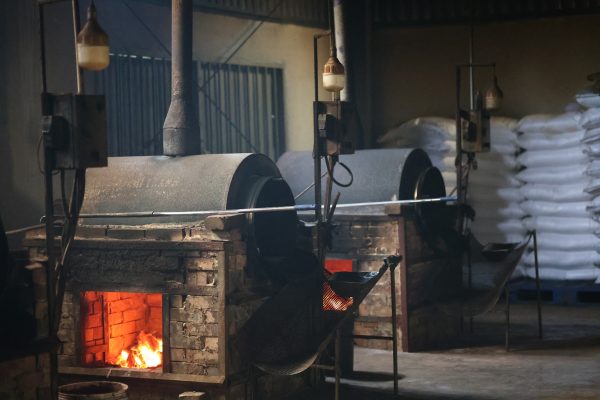
Roasting is the key step that determines whether cashews taste good or not.
- Under-roasted -> Astringent taste, bland flavor, lacking creaminess
- Over-roasted -> Bitter taste, harsh aftertaste
- Uneven heat -> Inconsistent taste from batch to batch
3. Moisture absorption or long storage
Cashews are naturally rich in oil. When they are:
- Stored in a humid environment
- Poorly sealed during packaging
- Kept in inventory for too long
They easily develop a rancid oily taste, become soft, and lost crispness. Many people mistake this for a roasting issue, but in reality, it is a post-production storage problem.
4. Oxidation of natural oils
When the natural oils in cashews are exposed to air for extended periods, oxidation occurs, leading to:
- Rancid taste
- Old oil smell, slightly sharp
- Throat discomfort after eating
This often happens with cashews that:
- Have no clear roasting date
- Lack proper stock rotation control
- Are stored at high temperatures
5. Improper drying process (for dried cashews)
- Drying too fast-> Dry, harsh taste
- Under-drying -> Damp texture, easy to turn rancid
An unstable drying process results in inconsistent taste between batches.
6. Possible use of flavoring agents
Some products on the market use artificial flavorings to mask poor raw materials. Warning signs include:
- Unnatural aroma
- Overpowering greasy mouthfeel
- Residual bitterness or astringency after eating
High-quality cashews have a naturally creamy taste with a mild sweet aftertaste – they do not need added flavors.
How to quickly test whether cashews have taste issues. You can read more in our related article here.
Consistent quality is never accidental.
Cashews that are creamy, crunchy, well-balanced, and consistent do not come from luck. They come from:
- Carefully selected raw materials
- Standardized roasting and drying processes
- Strict moisture and storage control
That is why wholesale and B2B buyers don’t just ask about price – they also ask in detail processes and quality control
Choose the right supplier and the right process, and you will taste the difference from the very first bite.